
Author: BrandingSchool.NG
01/09/2026
OPay Is Okay: The Real Test of Brand Trust in Nigeria
- Market Watch, Digital, Strategy
Imagine you just finished a campaign. You spent real money on it. You put your brand behind a message you believed: that you are trustworthy, that your customers are safe, that what people may have whispered about you belongs to the past. The campaign runs. The coverage is good. And then, four weeks later, your customers are forwarding a message on WhatsApp saying your business is shutting down in September and they need to withdraw their money before it is too late.
You have to put out a formal statement. Publicly. Urgently.
That is not a hypothetical. That is what happened to OPay in August 2026. And it is the most direct lesson in brand trust in Nigeria that this market has produced all year.
Table of Contents
What Happened: The “OPay Is Okay” Campaign and the Viral Rumour
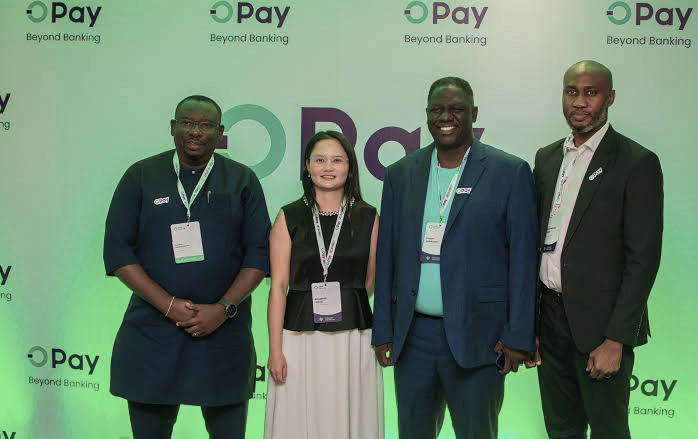
In early August 2026, OPay launched a brand campaign called “OPay Is Okay.” The tagline, cited across multiple outlets including TechCabal, Leadership.ng, and ThisDay Live, was: “Trust Is Not Claimed, It Is Earned.” The stated purpose was to reinforce customer trust in OPay’s digital banking services. By every visible measure, it was a professional, well-placed brand activation.
Then, around August 30, a false notice began circulating on Nigerian social media and WhatsApp. It claimed that OPay would be shutting down operations in September 2026. It told customers to withdraw their funds immediately. The message spread.
According to Nairametrics, OPay responded by urging users to verify information and not act on unverified claims. Leadership.ng reported that OPay called the notice a “fake publication” and dismissed it directly. Premium Times confirmed that OPay urged customers to disregard the post entirely.
Nine independent Nigerian outlets covered the debunk. That number is the measure of how widely the rumour had spread before OPay could respond. A company with reportedly $72 million in profit, preparing for an IPO, was forced into emergency brand communication over a false claim.
Why a Campaign Cannot Build brand trust in Nigeria the Way Experience Can
Here is the tension at the centre of this story: OPay’s own campaign tagline told you exactly what was about to be tested.
“Trust is not claimed. It is earned.”
A claim is what a campaign makes. A campaign is, by definition, an outbound message from a brand to its audience. It is a statement. And the market confirmed what OPay’s own tagline already knew: no statement can create the kind of trust that stands firm when a false WhatsApp message arrives.
Brand trust in Nigeria, the kind that does not flinch at a rumour, is not built in campaigns. It is built in deposits. Small, consistent, often invisible moments: when your product worked without drama, when a customer’s concern was resolved before it became a complaint, when you delivered what you promised with no asterisk. Those moments accumulate. They form the reservoir that a customer draws on when they need to decide whether to believe something they heard about you.
OPay knew this. They literally wrote it into their tagline. But knowing it and having already built enough of those deposits to withstand a viral rumour are two different things.
A campaign that says “trust us” is not the same as the experience that creates trust. One is a message. The other is a memory. And memories are what your customers reach for when a rumour asks them to make a quick decision.
The WhatsApp Variable: Where brand trust in Nigeria Actually Lives
There is a reality about the Nigerian consumer market that no brand can afford to ignore: WhatsApp is Nigeria’s real review platform.
More Nigerian purchasing and trust decisions are influenced by WhatsApp conversations than by any published review site, any advertising campaign, or any official brand statement. Your customers are not reading your press release. They are talking to each other, in group chats that move faster than any brand team can monitor.
A shutdown rumour spreads on WhatsApp when enough people, in enough separate conversations, think: “this could be true.” That individual moment of half-belief is the real product of every unresolved customer frustration, every service failure that was handled poorly, every moment the brand fell short and then said nothing. The rumour did not create OPay’s trust gap. It revealed a gap that already existed, and it moved through it quickly.
Understanding how the Awareness-Experience-Memory journey works helps you see exactly where this gap forms. Every Nigerian who ever had a friction-filled experience with OPay and received no satisfying resolution added a small fragment of doubt to their memory of the brand. No single moment was dramatic. But over time, those fragments accumulate. And when a rumour gives them a narrative, they respond.
For your business, this means the conversations happening about you on WhatsApp right now are being shaped entirely by your moments, not your messaging. Every positive experience is a deposit. Every frustrating one is a withdrawal. You are not in the room when those conversations happen. But your product, your service, and your response time are.
Where Was OPay on the Brand Journey?
OPay is, for millions of Nigerians, a Memory-stage brand. People know the name. They have used the app. They carry a stored belief about what OPay means to them. That is the Memory stage, and it is where brand loyalty is supposed to live.
This event is instructive precisely because it shows how quickly Memory-stage trust can crack under the right conditions. OPay moved its user base through Awareness and into repeated Experience over years of operation. But if those Experience moments left unresolved gaps, the Memory those users carry is partial. And partial memory, when tested, does not always hold.
The shutdown rumour spread because for a significant number of OPay’s users, their stored memory of the brand had not fully resolved into the kind of trust that feels permanent. They had experienced OPay. But the Experience had not been consistent enough, or satisfying enough, to make the Memory immovable.
This is why the Trust Growth Model matters: gaining trust, scaling it, and retaining it are three distinct phases. Retention is the hardest. It requires the same consistency that earned trust in the first place, sustained over time, long after the novelty of the brand has worn off. A campaign is not a retention strategy. Only consistent experience is.
What This Means for Your Business Right Now
If you are building a small business in Nigeria, here is the direct application.
You probably do not have OPay’s marketing budget. You cannot afford a multi-platform brand campaign, and you are not planning one. That is not a disadvantage here. It is a clarification. It removes the option of hiding behind a campaign and forces you to do the only thing that actually works: build the moments.
Every time you respond to a customer before they have to follow up, you are making a trust deposit. Every time you deliver ahead of what you promised, you are making a deposit. Every time you acknowledge a mistake and resolve it without the customer having to fight for a resolution, you are making a deposit. Those deposits compound. They build the kind of trust that does not need to be claimed, because your customers already carry it as a settled fact.
The inverse is also true. Every time your customer waited too long for a response and gave up, you made a withdrawal. Every time your product fell short and you said nothing, you made a withdrawal. Every time a complaint was handled defensively instead of resolved generously, you made a withdrawal. These withdrawals are invisible in your analytics. They are very visible in your customers’ WhatsApp conversations about you.
OPay had $72 million in profit, major press coverage, and a professionally executed brand campaign. And still, a rumour spread. Not because OPay is badly run. Because brand trust in Nigeria, at any scale, is not a communication problem. It is an experience problem. And experience happens one customer at a time, long before anyone opens a design brief for a campaign.
The Insight Only a Brand Strategist Would Catch
OPay’s campaign tagline was not marketing language. It was a diagnosis.
A brand that has no trust deficit does not build a campaign about trust. It builds campaigns about its products, its features, its customers’ success. A campaign about trust signals that the brand team knows a trust problem exists and is attempting to address it through communication. That is an honest and admirable attempt. They named the real problem. They believed in the solution they were executing.
But communication cannot solve what only experience can fix. The market confirmed the campaign’s own tagline: trust is not claimed. It is earned. Not in campaigns. In the moments between campaigns. In the quiet interactions that no press release covers, no brand story accompanies, and no award submission ever mentions.
The viral rumour was not the problem. It was the result of a problem that existed before the campaign launched. The campaign could not reach the place where the problem lived. That place is in the ordinary, daily interactions your customers have with your brand when no one is watching.
OPay’s campaign was right about everything. It just needed the moments to confirm what it was claiming. That work is not finished in four weeks. It is never finished.
Stop planning the campaign. Start auditing the moments. Because in Nigeria, your customers are always listening, not to what you say, but to what you do when they need you and no one is watching.